Breakthrough Research
The University of South Carolina’s researchers make discoveries that promote innovation, and their contributions reverberate far and wide. So do their stories.
Breakthrough is a place to celebrate the impact of the university’s brightest scholars, from the graduate student studying cancer-fighting compounds to the world-renowned expert transforming a discipline.
Breakthrough is published two times a year by the Office of the Vice President for Research and is distributed to all tenured, tenure-track and clinical faculty as well as research associates. Highlights from the magazine can be found here.

Glue for earthen dams
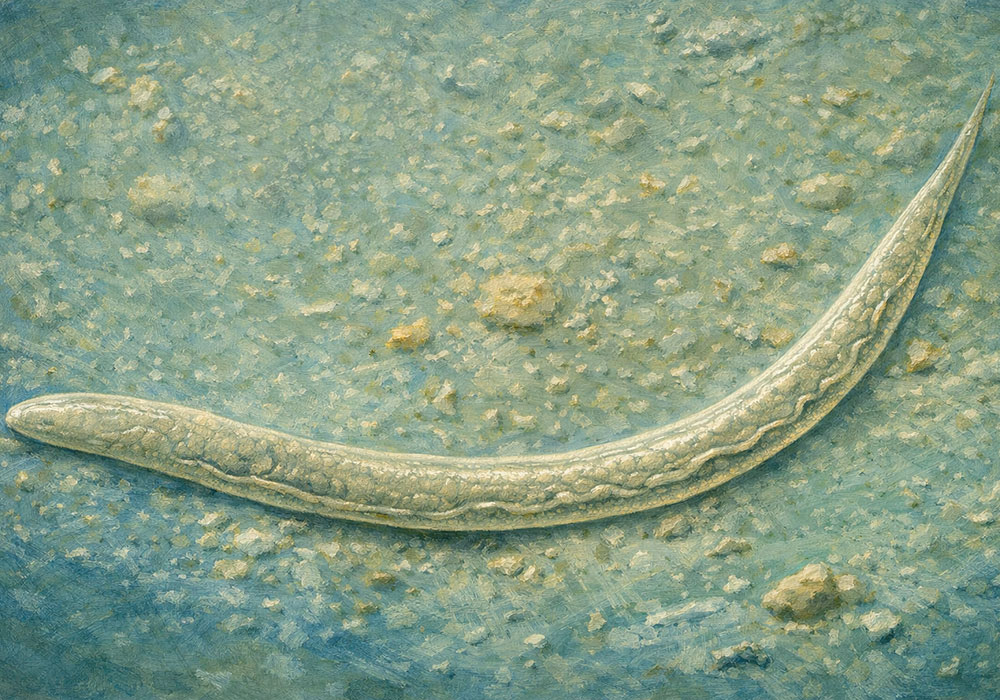
A common food additive used as a thickener in soups, salad dressings and ice cream has demonstrated high potential for another use — slowing dangerous erosion on overtopped dams and levees.


Brain Trust
Cognitive decline is a significant problem for South Carolina’s aging population.
That’s one reason the University of South Carolina has prioritized its efforts to
improve brain health across the Palmetto State. In USC’s Arnold School of Public Health,
researchers are leading the charge to better understand how diet, exercise and intervention
factor into the solution.
Meet the experts

Meliorating Muscle
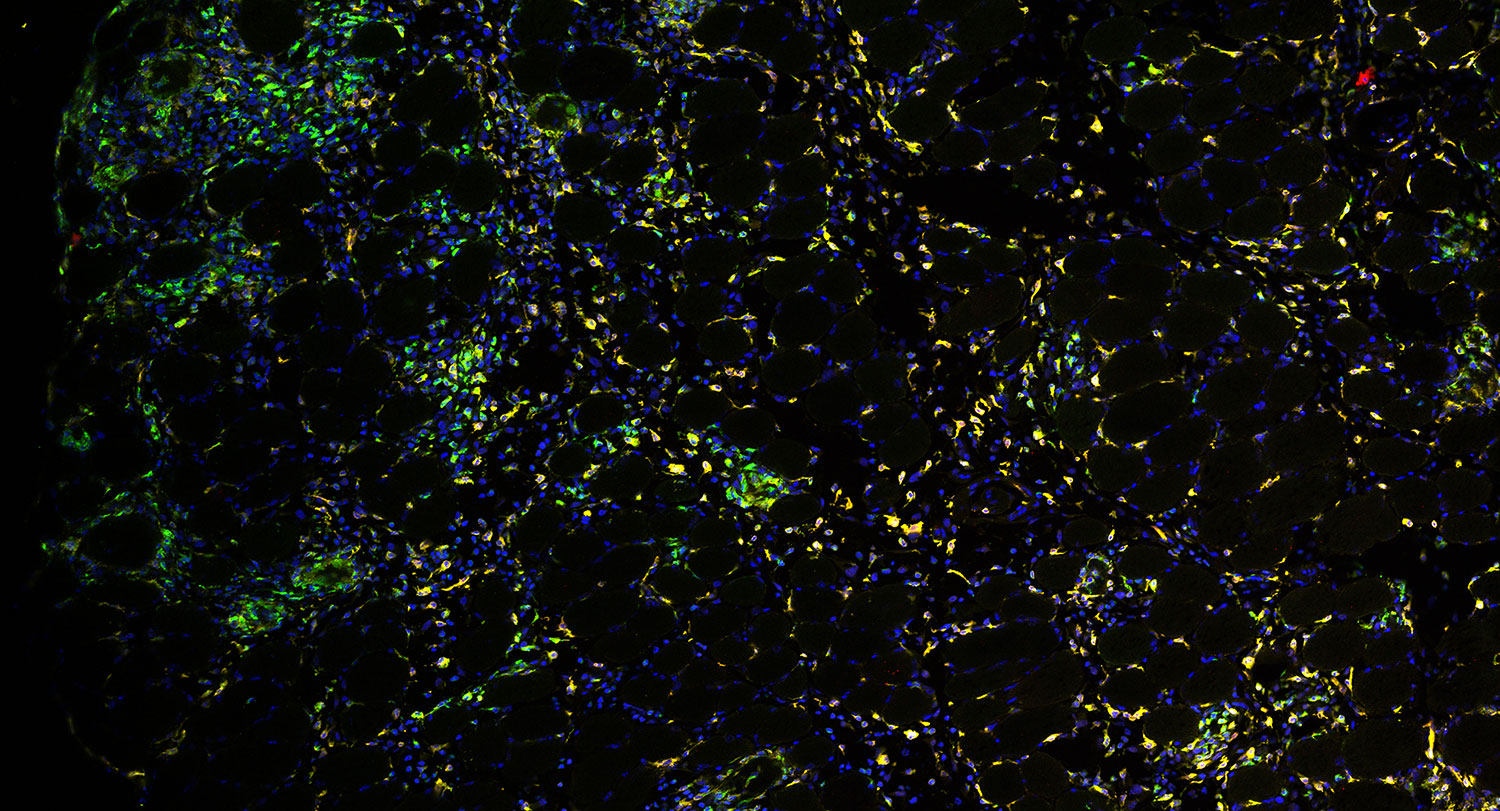
Musculoskeletal conditions — including muscle injuries — affect more than half of American adults, but there are currently no drug therapies specifically designed to promote skeletal muscle recovery. USC biomedical engineering researchers are working to change that by developing long-lasting drug delivery systems that target immune cells involved in muscle repair. These cells support healing, but their function can be disrupted by repetitive injury or aging. Encouragingly, the therapy is effective. College of Pharmacy microscopy experts are helping the research team uncover how and why it works.